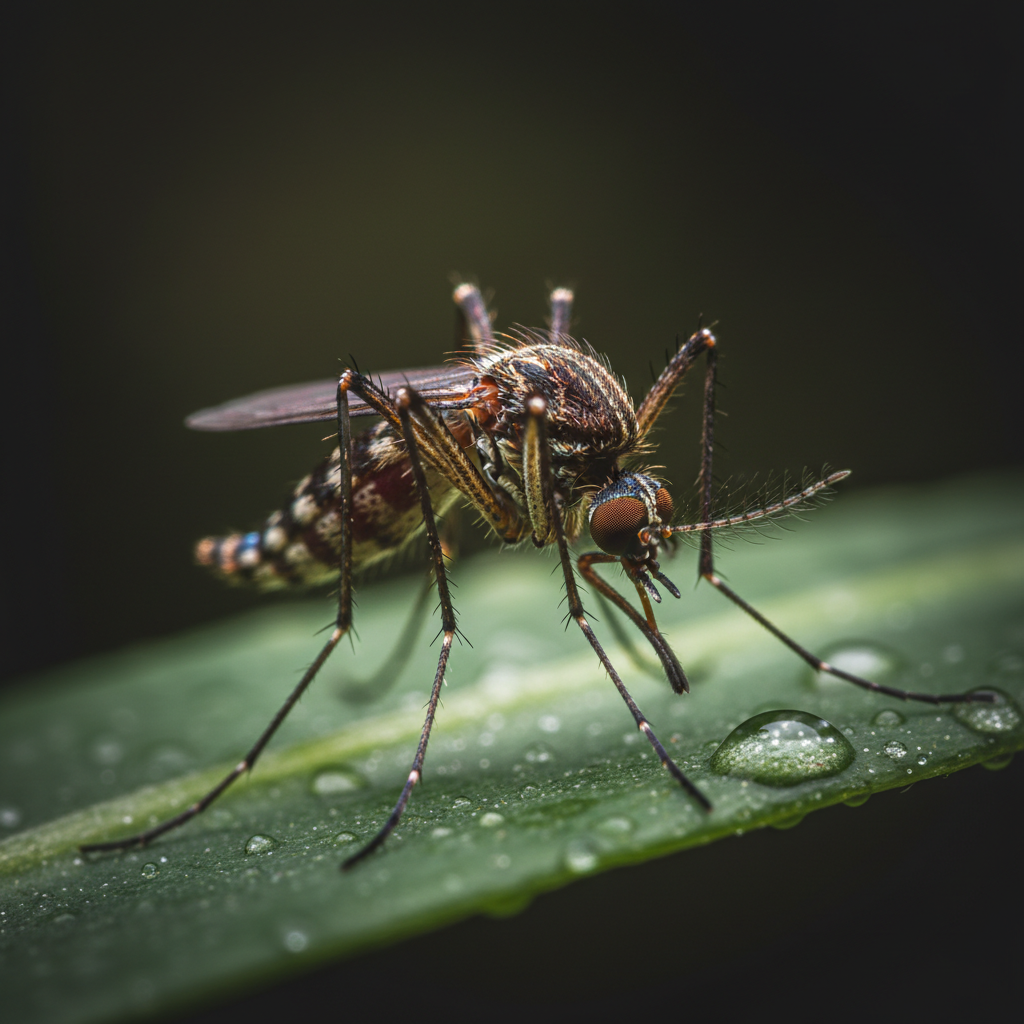
🦟 Mosquitoes
Mosquitoes are more than a nuisance in Northeast Wisconsin — they can carry West Nile virus and other diseases. Our warm, humid summers combined with abundant lakes, rivers, and wetlands create ideal breeding conditions. Professional barrier treatments can reduce mosquito populations by 80–95%, letting you enjoy your outdoor spaces again.
Mosquitoes
Thin, long-legged insects, 1/4"–3/8" long. One pair of wings. Long proboscis (mouthpart) used for piercing skin and drawing blood. Females are the biters — males feed only on nectar.
What to Look For
High-pitched buzzing at dusk and dawn. Itchy red bite welts on exposed skin. Larvae (wrigglers) visible in standing water — bird baths, clogged gutters, puddles, and containers. Swarms in shaded, vegetation-dense areas during the day.
When to Watch Out
Mosquito season in Northeast Wisconsin runs from May through September. Peak activity is June–August during warm, humid weather. Mosquitoes are most active at dawn and dusk. They require standing water to breed — even a bottle cap of water can support larvae.
How to Prevent Mosquitoes
Professional Treatment Process
Property Assessment
We identify mosquito breeding sites — standing water, dense vegetation, and shaded resting areas. We develop a targeted treatment plan based on your property's specific conditions.
Barrier Spray Treatment
A residual insecticide is applied to shrubs, trees, and vegetation where mosquitoes rest during the day. This kills mosquitoes on contact and provides weeks of protection.
Breeding Site Reduction
We advise on and treat areas of standing water and moisture that serve as prime mosquito breeding grounds. Eliminating breeding sites is key to long-term control.
Seasonal Program
Recurring treatments throughout the peak mosquito season (May–September) keep populations suppressed all summer. Most homes need treatment every 3–4 weeks.
Mosquitoes FAQ
Deal with Mosquitoes Now
Call us today for a free inspection. We'll identify the extent of the problem and recommend the right treatment — with no obligation to proceed.