Ants
in Wisconsin
When ants aren't marching through your kitchen, they're some of the hardest-working animals in Wisconsin's ecosystems. They aerate soil, disperse seeds, decompose organic matter, and hunt other insects — including forest pests. The line between 'beneficial ant' and 'pest ant' is simply where they're living.
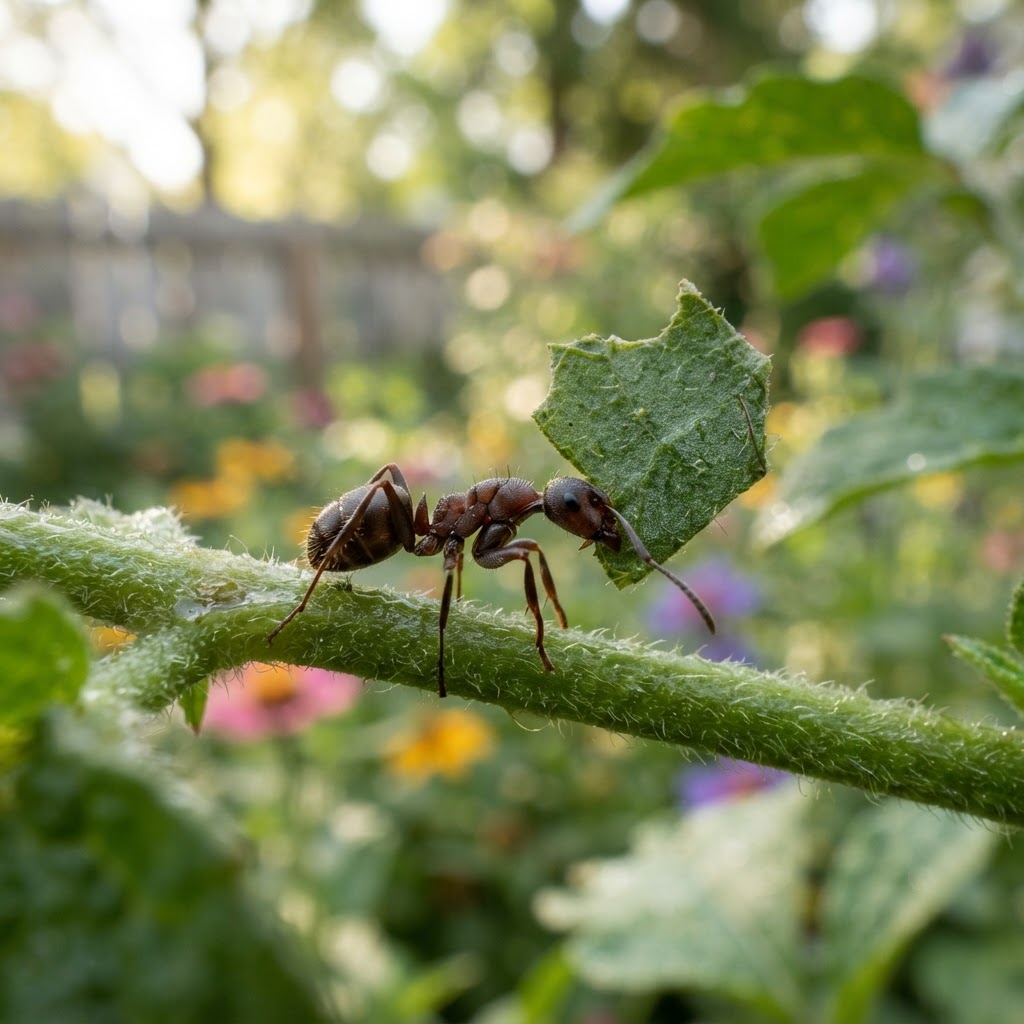
Carpenter ants are the signature ant problem of Northeast Wisconsin — the mix of older homes, damp basements, and surrounding forest in Waupaca, Outagamie, and Shawano counties gives them everything they need. Mid State treats carpenter ant infestations from New London to Shawano, while leaving the beneficial field and forest ants that aerate the region's sandy soils untouched.
Carpenter ants swarm as nests mature in spring — sawdust-like frass near damp or damaged wood is the telltale sign of a colony worth treating.
In Northeast Wisconsin
Carpenter ants work the fallen timber on the forest floor at Hartman Creek State Park and the pine stands at Gordon Bubolz Nature Preserve; field ants build mounds in the sandy soils across Waupaca and Shawano counties.
Ant tunnels loosen and aerate soil, improving water infiltration and root growth.
Many ants carry and plant seeds, helping forests and wildflowers regenerate.
Ants break down organic matter, returning nutrients to the soil.
Ants prey on caterpillars, flies, and other insects that damage trees and crops.
Why Ants Matter
Ants are among the most abundant animals on land, and in Wisconsin's forests and fields they function as ecosystem engineers. Wood ants, field ants, and others patrol plants removing herbivorous insects, disperse seeds of spring wildflowers, and cycle nutrients through the soil. A yard with a healthy, outdoor ant population is usually a healthier yard.
Common Ants in Wisconsin
Here are the common Ants found across Wisconsin, with the specific benefits each species provides to nature and to people.
Carpenter Ant
Benefits to NatureNests in dead and decaying wood, accelerating the breakdown of fallen trees and returning nutrients to Wisconsin forest soil. Only a pest when it moves into structural wood.
Benefits to HumansOutdoors, recycles dead wood and preys on other forest insects; the line between ally and pest is simply location. Indoors in Wisconsin homes, it can damage wood and warrants control.
Field Ant
Benefits to NatureBuilds large soil mounds in Wisconsin lawns and fields while preying on caterpillars, flies, and other insects that damage plants. One of the state's most common and beneficial ants.
Benefits to HumansA major natural controller of lawn, garden, and forest pests. Its mounds can be a minor lawn nuisance but the pest control it provides outweighs that.
Allegheny Mound Ant
Benefits to NatureConstructs sizable mounds and aggressively hunts forest and field insects, including serious tree and crop pests. Found in Wisconsin's open woods and field edges.
Benefits to HumansProvides significant free suppression of forest and agricultural insect pests. Its large mounds are a sign of a healthy, active predator at work.
Pavement Ant
Benefits to NatureNests under sidewalks and stones across Wisconsin towns, scavenging debris and aerating compacted soil. Only a pest when it forages indoors.
Benefits to HumansOutdoors, helps break down organic debris and loosens compacted urban soil. Indoors, it can infest kitchens and is a common household ant.
Odorous House Ant
Benefits to NatureA scavenger and aphid-tender that recycles nutrients and tends sap-feeding insects for honeydew across Wisconsin yards. Only a pest indoors, where it trails into kitchens.
Benefits to HumansOutdoors, contributes to decomposition and soil nutrient cycling. Indoors, it is one of Wisconsin’s most persistent nuisance ants and may need targeted control.
Related Beneficial Species
These species do similar work in the Wisconsin landscape — explore how they fit together.
When They're Beneficial
- Outdoors in gardens and forests aerating soil and cycling nutrients
- Dispersing seeds of native wildflowers and trees
- Preying on caterpillars, flies, and other plant-damaging insects
- Supporting the broader food web as prey for birds and other wildlife
When Ants Invade Your Home
The same ants that benefit a forest become a problem indoors. Carpenter ants tunnel through wood and can cause structural damage; pavement and odorous house ants infest kitchens. When ants cross from outdoors to inside, targeted, species-specific control protects your home without harming the beneficial outdoor population.
Ant ControlLiving Alongside Ants
Keep Them Outside
Ants are valuable outdoors — the goal is to keep them there, not to eliminate them from your yard.
Manage Moisture & Wood
Carpenter ants nest in wet or damaged wood. Fix leaks and remove rotting wood to keep them in the forest, not your home.
Don't Over-Spray Outdoors
Broadcast outdoor insecticides kill beneficial ants and the insects they control. Use targeted indoor treatment instead.
Seal Entry Points
Caulk foundation gaps and around pipes so foraging ants stay outside where they help.
When to Call a Pest Professional
Ants belong outdoors, but when they cross into your home — especially carpenter ants in wood — targeted, species-specific control protects your home without harming the beneficial outdoor ants.
- Carpenter ants indoors, especially sawdust-like frass or rustling sounds in walls
- Trails of ants foraging in your kitchen, pantry, or bathrooms
- Large ant mounds right against your foundation
- Recurring indoor ant problems despite cleaning and sealing entry points
Ants belong in your soil and forests — not your kitchen. If they have moved indoors, we use targeted, species-specific control that protects your home and the beneficial outdoor ants.
Ant ControlAnts — Our Work
When these animals become a real problem, here's how Mid State has handled it for Northeast Wisconsin homeowners.
Ant Control — New London Kitchen
Odorous house ants trailing across a New London kitchen were eliminated at the colony with gel bait and a perimeter barrier.
Carpenter Ant Treatment — Waupaca Home
Carpenter ants tunneling in damp wood around a Waupaca home. Colony located, baited, and the moisture source fixed to stop re-infestation.
Ants Quiz
How well do you know Wisconsin's ants? Take this quick quiz to find out.