Foxes
in Wisconsin
Red and gray foxes are Wisconsin's most effective natural mouse and vole hunters. A single fox family can take thousands of rodents a year, protecting crops, stored grain, and homes from rodent damage. They are shy, avoid people, and are almost never a threat — they are a sign of a healthy, balanced landscape.
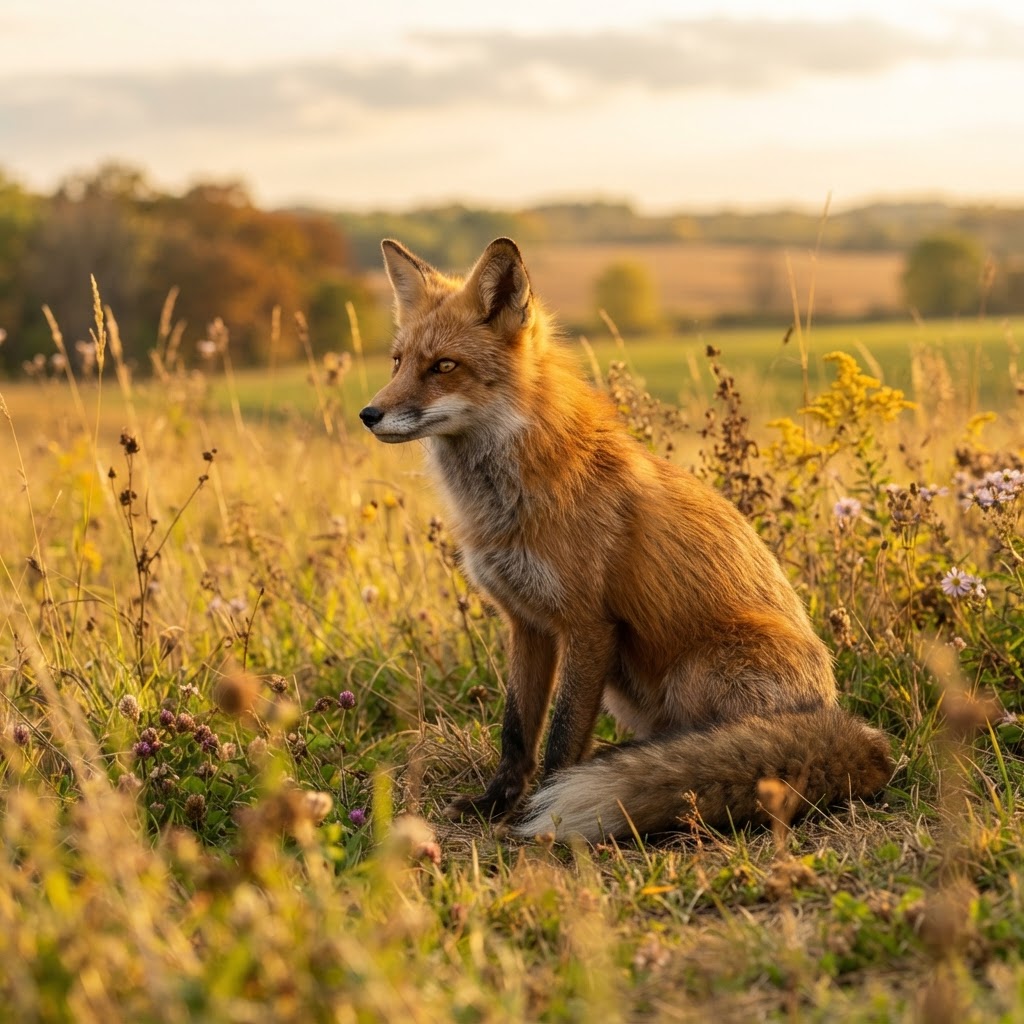
Red and gray foxes are a welcome sight across the fields and woodlots of Waupaca, Shawano, and Outagamie counties, where a single fox family takes thousands of mice and voles a year from the field edges that border New London, Clintonville, and Waupaca farmsteads. Shy and rarely a problem, foxes are a sign of a healthy Northeast Wisconsin landscape.
In Northeast Wisconsin
Open fields at Gordon Bubolz Nature Preserve, the grasslands at Navarino Wildlife Area, and the field edges around Shawano and Waupaca — watch at dawn or dusk for a red or gray fox hunting the fencelines.
A fox family consumes thousands of mice, voles, and rats per year — far more effective than traps.
Foxes also eat grasshoppers, beetles, and young rabbits that can damage gardens and crops.
Foxes are naturally wary of humans and pose almost no threat to adults or children.
Foxes are less likely to carry rabies than raccoons or skunks, and healthy foxes are common.
Why Foxes Matter
Red and gray foxes are small, adaptable canines that hunt the mice, voles, rabbits, and insects that would otherwise overrun Wisconsin's fields, farms, and neighborhoods. They are crepuscular — most active at dawn and dusk — and den in woodlots, hedgerows, and brushy edges. Their presence is a sign of a healthy prey base and balanced predator community. They are not a household pest; they are a free, natural rodent controller.
Common Foxes in Wisconsin
Here are the common Foxes found across Wisconsin, with the specific benefits each species provides to nature and to people.
Red Fox
Benefits to NatureWisconsin's familiar russet fox with a bushy white-tipped tail; hunts mice, voles, rabbits, and insects in fields and edges.
Benefits to HumansMajor natural rodent controller across rural and suburban Wisconsin; protects crops and stored grain.
Gray Fox
Benefits to NatureA smaller, grayer fox that can climb trees; prefers brushy and wooded habitat and hunts rodents and insects.
Benefits to HumansLess seen but equally beneficial; controls rodents in brushy and wooded edge habitat.
Related Beneficial Species
These species do similar work in the Wisconsin landscape — explore how they fit together.
When They're Beneficial
- Hunting mice, voles, and rats in fields, pastures, and around outbuildings
- Catching grasshoppers, beetles, and other crop and garden insects
- Keeping rabbit and rodent populations in check naturally
- Indicating a healthy, prey-rich landscape with a balanced predator community
When Foxes Become a Nuisance
Foxes almost never become a household problem. Occasionally one will den under a shed or deck, or a healthy fox will be seen during the day and mistaken for sick. The humane fix is exclusion — sealing the den opening after the family leaves — and simple tolerance. A fox seen in daylight is not automatically rabid; many healthy foxes hunt by day in spring while feeding pups.
Wildlife ControlLiving Alongside Foxes
Secure Attractants
Bring in pet food, secure garbage, and protect poultry with covered runs so foxes are not drawn to den near an easy meal.
Seal Den Sites
After the fox family leaves (late summer), seal shed and deck openings with hardware cloth to prevent re-entry.
Do Not Assume Daytime = Rabies
Healthy foxes often hunt by day in spring while feeding pups. Only a fox acting strangely (unafraid, stumbling) needs a professional.
Let Them Hunt
A fox patrolling your field is eating mice and voles for free. Enjoy watching one of Wisconsin's most beneficial predators.
When to Call Wildlife Specialists
Foxes are shy and best left to hunt rodents, but a fox denning under a shed or acting strangely is a reason to call. Humane exclusion — never poison — is the right approach.
- A fox has denned under your shed, deck, or porch
- A fox is acting strangely — unafraid, approaching people, stumbling, or aggressive (keep away)
- A fox is repeatedly threatening small pets despite removing attractants
- You're uncomfortable performing one-way exclusion yourself
A fox under your shed? We exclude it humanely — never poison. Call Mid State for wildlife control that respects nature.
Wildlife ControlFoxes — Our Work
When these animals become a real problem, here's how Mid State has handled it for Northeast Wisconsin homeowners.
Bat Exclusion — Waupaca Attic
A bat colony in a Waupaca attic was excluded humanely and legally with one-way doors, and every entry point sealed so they could not return.
Squirrel Removal — Waupaca Attic & Exclusion
Squirrels chewing into a Waupaca attic were removed with one-way doors and the damaged vents and entry holes sealed to keep them out.
Raccoon Removal — New London Chimney & Attic
A raccoon in a New London chimney and attic was removed humanely, the chimney capped, and the roofline sealed to prevent re-entry.
Foxes Quiz
How well do you know Wisconsin's foxes? Take this quick quiz to find out.