Beavers
in Wisconsin
Beavers do what no other animal can: they build wetlands. By damming streams, they create rich habitat for fish, frogs, birds, and insects, store water, and improve water quality. They are a keystone species — but their engineering can sometimes clash with human property.
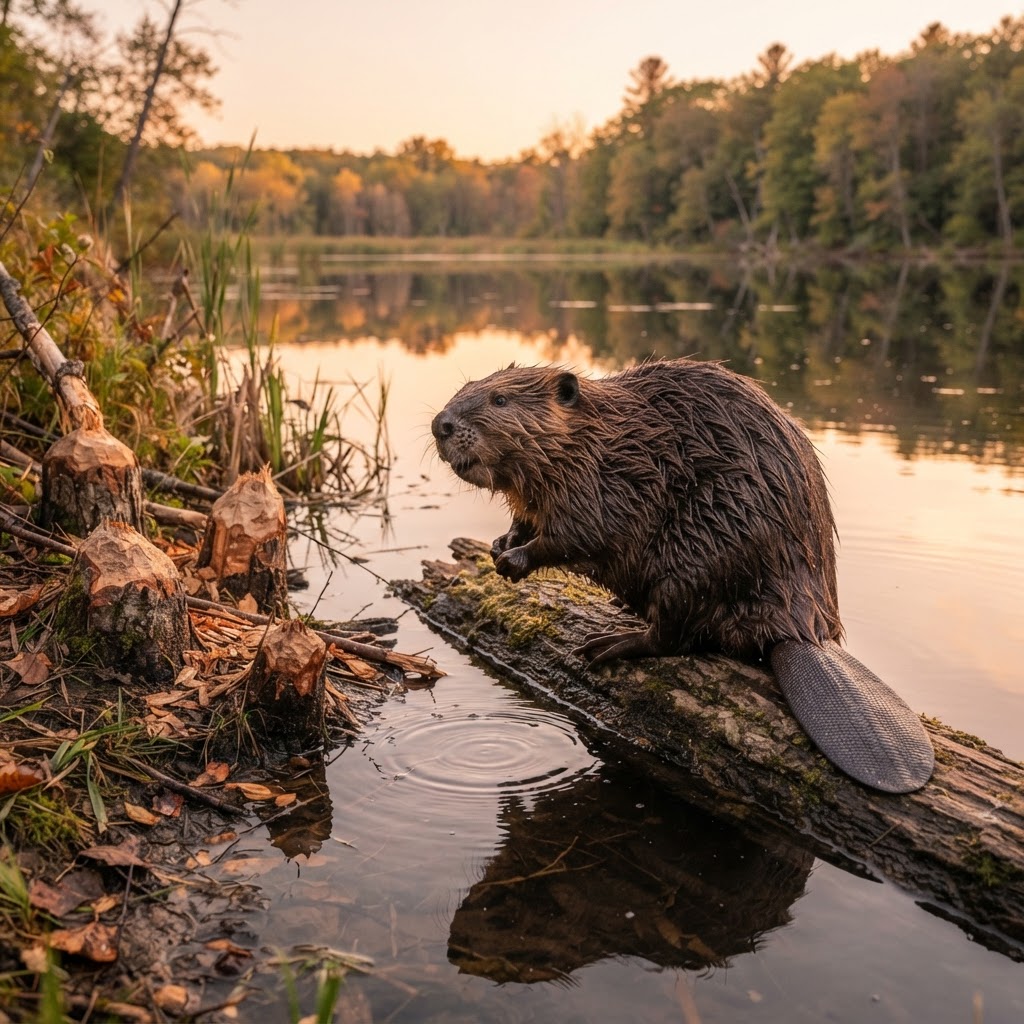
Beaver activity is heavy along the Wolf River and its tributaries through Waupaca and Shawano counties, where dams create the backwater wetlands that support everything from ducks to dragonflies. Mid State helps landowners in New London, Clintonville, and surrounding townships resolve flooding and tree-damage conflicts using flow devices and tree wrapping — not lethal trapping.
In Northeast Wisconsin
Look for dams and lodges along the Wolf River tributaries in Mukwa State Wildlife Area, the flowages at Navarino Wildlife Area, and the creeks feeding Shawano Lake.
Beaver dams create wetlands that support more biodiversity than almost any other habitat type.
Their ponds store water, recharge groundwater, and maintain stream flow during dry periods.
Beaver wetlands trap sediment and filter pollutants, improving downstream water quality.
Beaver ponds provide critical habitat for fish, amphibians, waterfowl, and mammals.
Why Beavers Matter
Beavers are a keystone species — their dam-building activity creates wetlands that support an extraordinary diversity of life. After being trapped nearly to extinction for their fur, beavers have returned to much of Wisconsin. Where their activity does not threaten property or infrastructure, they should be valued and tolerated as one of nature's most important habitat creators.
The Beaver & the Wildlife It Supports
Here are the common Beavers found across Wisconsin, with the specific benefits each species provides to nature and to people.
North American Beaver
Benefits to NatureWisconsin's only beaver species and a keystone ecosystem engineer. Its dams create wetlands, store water, and reshape entire stream corridors across the state's northwoods and river systems.
Benefits to HumansBuilds wetlands that reduce downstream flooding, recharge groundwater, and support hunting, fishing, and wildlife watching — major Wisconsin recreation. After near-extinction from fur trapping, beavers have rebounded statewide.
Wood Duck
Benefits to NatureNests in tree cavities near beaver ponds and raises ducklings in the quiet, food-rich water beavers create. One of Wisconsin's most colorful nesting waterfowl.
Benefits to HumansA prized game bird and a favorite of wildlife watchers and photographers. Beaver-created habitat is a major reason wood ducks thrive in Wisconsin.
Brook Trout
Benefits to NatureThrives in the cool, deep pools and insect-rich water of beaver ponds, which provide prime trout nursery habitat in Wisconsin's trout streams.
Benefits to HumansWisconsin's native state fish and a prized sport fish whose best habitat is often beaver-built. Beaver ponds help sustain the state's renowned trout fishing.
River Otter
Benefits to NatureHunts fish and crayfish in the deep, year-round water that beaver ponds maintain even during drought. A top predator in Wisconsin's wetland food webs.
Benefits to HumansA beloved wildlife-watching species and a sign of a healthy, fish-rich waterway. Otters draw tourists and signal clean water.
Frogs & Amphibians
Benefits to NatureBeaver ponds provide the still, vegetated water that Wisconsin frogs, toads, and salamanders need to breed and thrive. They are among the most abundant animals in beaver wetlands.
Benefits to HumansAmphibians eat mosquitoes and crop pests and serve as food for game fish and birds. A pond full of frogs is also a sign of a healthy, pesticide-free yard.
Related Beneficial Species
These species do similar work in the Wisconsin landscape — explore how they fit together.
When They're Beneficial
- Building wetlands that support fish, amphibians, and waterfowl
- Storing water and recharging groundwater
- Improving downstream water quality by trapping sediment
- Creating biodiversity hotspots in streams and rivers
When Beavers Flood Your Property
Beaver dams can flood yards, roads, and septic systems, and their tree-felling can damage valuable trees near homes. When beaver activity threatens property, humane solutions exist — from tree wrapping to flow devices — that resolve the conflict without removing the beavers.
Wildlife ControlLiving Alongside Beavers
Wrap Valuable Trees
Protect high-value trees with wire mesh wrapping at the base to prevent beaver felling.
Install Flow Devices
Beaver deceivers and pond levelers let water flow through dams at a controlled level, preventing flooding while keeping the beavers and their wetland.
Tolerate Where Possible
Where beaver activity does not threaten property, leave them — the wetlands they create are among the most valuable habitat in Wisconsin.
Seek Humane Solutions
If flooding is unavoidable, contact a wildlife professional for humane conflict resolution before considering removal.
When to Call Wildlife Specialists
Beavers are best left to build their wetlands, but when their engineering floods property or threatens infrastructure, a wildlife professional can resolve the conflict humanely — often with flow devices that keep the beavers and the wetland intact.
- Beaver flooding is threatening your home, yard, septic system, well, or a road
- Beavers are felling valuable or hazard trees near your house
- A dam is backing water up onto your property and the water level keeps rising
- You want to keep the wetland but control the water level (a flow device can help)
Beavers belong in Wisconsin wetlands — not flooding your property. If beaver activity is threatening your land, ask us about humane conflict resolution.
Wildlife ControlBeavers — Our Work
When these animals become a real problem, here's how Mid State has handled it for Northeast Wisconsin homeowners.
Bat Exclusion — Waupaca Attic
A bat colony in a Waupaca attic was excluded humanely and legally with one-way doors, and every entry point sealed so they could not return.
Squirrel Removal — Waupaca Attic & Exclusion
Squirrels chewing into a Waupaca attic were removed with one-way doors and the damaged vents and entry holes sealed to keep them out.
Raccoon Removal — New London Chimney & Attic
A raccoon in a New London chimney and attic was removed humanely, the chimney capped, and the roofline sealed to prevent re-entry.
Beavers Quiz
How well do you know Wisconsin's beavers? Take this quick quiz to find out.