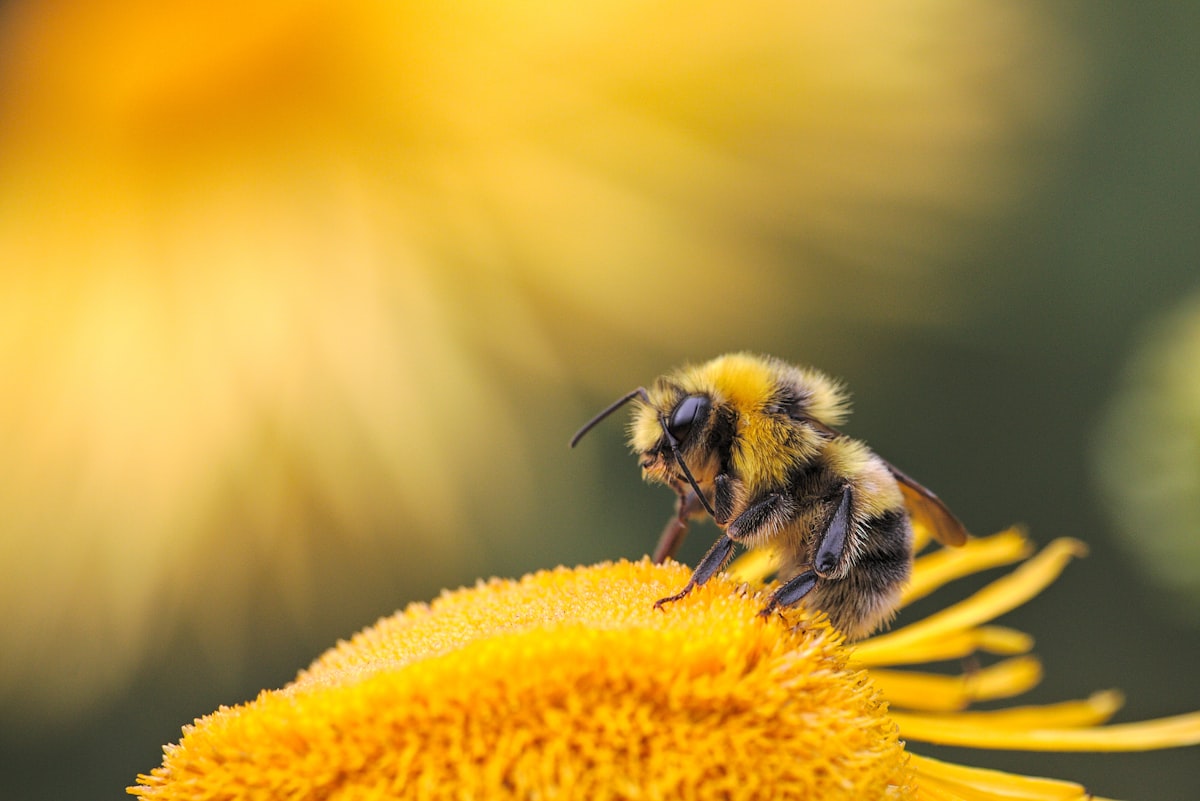
Ever wonder why yellowjackets seem more hostile as autumn approaches? Learn why these wasps change behavior and how to protect your home this season.
Understanding the Late-Season Shift
As the temperatures begin to dip across Northeast Wisconsin and the vibrant greens of summer start to fade, you may notice a significant change in the local insect population. While you might be more focused on mosquito control earlier in the year, late summer and early fall bring a different kind of visitor: the yellowjacket. If you have noticed these wasps becoming increasingly bold or aggressive around your backyard deck or outdoor dining area, you are not alone.
At Mid State Pest Control, we hear this concern frequently from residents in pest control in Appleton to those living in Shawano pest control service areas. The shift in behavior isn't just your imagination—it is rooted in the unique biology of the yellowjacket.
Why Are They So Angry?
To understand why yellowjackets seem to have a "bad attitude" during the fall, we have to look at their lifecycle. Throughout the spring and summer, the colony is entirely focused on expansion and gathering protein-rich food, such as caterpillars and other insects, to feed the growing larvae.
However, as we transition toward autumn, the queen stops laying eggs. With no new larvae to feed, the workers no longer have a job to do, and the colony's food source becomes scarce. Essentially, these foragers are left without their primary directive. They shift their focus from gathering protein for larvae to searching for sugary carbohydrates to fuel their own flight. This brings them into direct conflict with humans who are enjoying end-of-season barbecues, sweet drinks, and outdoor snacks.
Practical Tips for Homeowners
Because yellowjackets are scavengers during this time of year, they are much more likely to defend themselves if they feel threatened or if they think you are competing for their food. Here is how you can stay safe:
- Secure Trash Receptacles: Ensure your outdoor trash cans have tight-fitting lids. Decaying food scraps are magnets for hungry wasps.
- Watch Your Drinks: Always inspect canned or bottled beverages before taking a sip. Yellowjackets frequently crawl inside soda cans looking for sugar.
- Keep Your Distance: If you spot a nest, never try to move or disturb it yourself. These wasps are highly defensive of their colony, and a sting can be dangerous for those with allergies.
- Consult the Experts: If you are unsure what kind of insect you are dealing with, use our pest identifier to get better clarity on the pests around your property.
When to Seek Professional Help
While yellowjackets are a natural part of our Wisconsin ecosystem, they become a significant nuisance when they build nests in high-traffic areas like entryways, soffits, or near patios. If you find yourself unable to enjoy your yard, it might be time to call in the professionals. Our team provides expert service across the region, whether you need Oshkosh pest control or help with a different issue like spider control in your basement.
It is also worth noting that fall is a great time to evaluate your home for other pests. As the weather cools, many insects—including carpenter ants—begin seeking shelter inside wall voids and foundations to survive the winter. Keeping an eye on your home's exterior can save you from bigger headaches when the snow starts to fly.
Stay Informed with Mid State Pest Control
Managing your property throughout the changing seasons is the best way to prevent infestations before they start. For more tips on what to watch for as the months change, check out our seasonal pest calendar. Whether you are in Waupaca pest control, New London pest control, or Clintonville pest control, we are here to help you enjoy your home in peace, regardless of the season. If you suspect an active, dangerous nest on your property, don't wait—reach out to us to discuss a safe and effective removal strategy.
Ready to Get Rid of Your Pest Problem?
Get a free quote from Mid State Pest Control — serving Northeast Wisconsin.